Wedding Laser Cutting: Shadow Box SVG Review
As a brand designer and content marketer, I am constantly vetting graphic design assets that can elevate client campaigns without adding unnecessary production friction. Recently, I integrated the Personalized Wedding Shadow Box SVG into a comprehensive launch strategy for a boutique stationery brand. This was not merely about creating a pretty image; it was about testing how a specific digital product could bridge the gap between physical craftsmanship and digital marketing appeal. The goal was to determine if this asset could support high-end professional branding while remaining versatile enough for rapid social media deployment.
First Impressions: Mood and Audience Perception
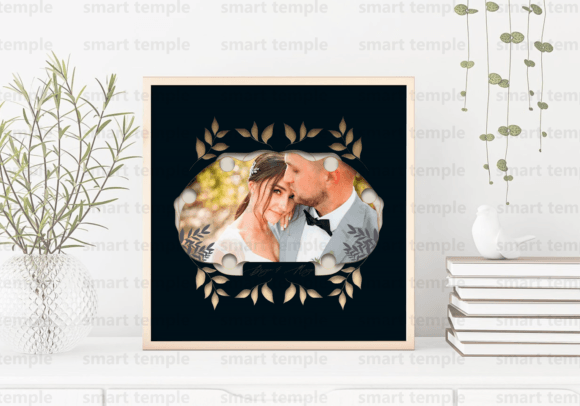
The immediate visual impact of the Personalized Wedding Shadow Box SVG is one of refined nostalgia. It does not scream for attention with chaotic details; instead, it invites the viewer to look closer. For a brand targeting couples planning intimate, bespoke ceremonies, this mood is critical. It signals quality, care, and attention to detail. In terms of audience perception, the layered aesthetic suggests a premium offering. It feels suitable for handmade products and lifestyle content rather than mass-market, casual branding. When placed against a clean background, the intricate cut lines create a sense of depth that static flat illustrations often lack. This emotional tone aligns perfectly with brands that value storytelling and emotional connection over pure utility.
Strategic Application in Marketing Workflows
In our recent campaign, we used this asset across multiple touchpoints to ensure visual hierarchy and consistency. The versatility of the file formats allowed us to adapt the design for both digital and physical applications seamlessly. Here is how we leveraged the asset:
- Social Media Graphics: We used the PNG versions for Instagram posts and Pinterest pins. The transparent background made it easy to overlay text for wedding tips or seasonal offers, creating engaging marketing visuals that stopped the scroll.
- Email Banners: The SVG format ensured crisp rendering in email headers, maintaining audience trust by avoiding pixelation on high-resolution screens.
- Packaging Design: For the physical product line, we utilized the DXF files for laser cutting prototypes. This allowed us to create actual shadow box inserts that matched our digital ads, reinforcing brand identity through tactile experience.
- Lead Magnets: We included a simplified version in a free Canva template bundle for engaged couples, driving traffic to our main site. This strategy positioned the brand as a helpful resource, enhancing content marketing efforts.
Enhancing Brand Identity and Visual Consistency
A major challenge in small business branding is maintaining a cohesive look across diverse platforms. The Personalized Wedding Shadow Box SVG served as a anchor element. By using the same core illustration in our logo design variations, product label accents, and website headers, we created a recognizable visual language. This consistency helps build stronger recognition and memorability. When customers see the distinct layered silhouette on a Facebook ad, then again on a blog graphic, and finally on the physical packaging, it reinforces the professional appearance of the brand. It transforms a simple transaction into a branded experience.
Optimizing for Digital Ads and Web Design
In digital ads, clarity is paramount. We found that the asset worked best when used as a hero graphic or a subtle background texture. It supported the main message without competing with it. For web design, the scalable nature of the SVG meant fast load times and sharp display on all devices. We tested it against various font styles. It paired exceptionally well with elegant serif fonts for a classic look and modern sans serif fonts for a contemporary twist. However, we avoided pairing it with overly decorative script fonts in small sizes, as the intricate details of the shadow box could clash with complex letterforms, reducing readability.
Practical Limitations and Design Considerations
While the asset is powerful, it is not a universal solution. As a designer, I must advise caution in certain contexts. The intricate layered design can become muddy when scaled down for small mobile graphics or favicon usage. It should be used carefully in dense information layouts where it might distract from critical data. Additionally, on low-contrast backgrounds, the fine cut lines may disappear, losing the intended effect. For formal corporate branding or overly minimal brands, the ornate nature of the shadow box might feel out of place. Always test the asset in real campaign mockups before finalizing designs.
Technical Notes for Designers and Marketers
Before integrating this design bundle into your workflow, consider these practical steps:
- Color Palette Testing: Ensure the design works in monochrome. A strong clipart or illustration should hold its form in black and white before adding brand colors.
- Licensing Verification: Confirm the commercial license terms. If you are using this for client work or paid campaigns, ensure you have the right to modify and distribute the final designs.
- File Format Selection: Use SVG for web and digital templates to maintain scalability. Use PNG for quick social media edits where transparency is needed. Reserve AI and DXF for physical production via CNC or laser machines.
- Competitor Analysis: Compare how this asset stands out against competitor visuals. Its unique layered structure offers a differentiation point in a market saturated with flat vector art.
Final Verdict: A Versatile Asset for Creative Entrepreneurs
The Personalized Wedding Shadow Box SVG is more than just a decorative element; it is a strategic tool for creative entrepreneurs and content creators. It supports stronger first impressions and clearer visual communication when used correctly. Whether you are designing editorial design pieces, creating printable design products, or building a robust Canva template library, this asset provides the flexibility needed for modern commercial design. By understanding its strengths in evoking emotion and its limitations in small-scale applications, you can leverage it to create memorable, professional, and engaging campaign visuals that resonate with your target audience.