Reviewing the Space Shadow Box SVG for Embroidery Projects
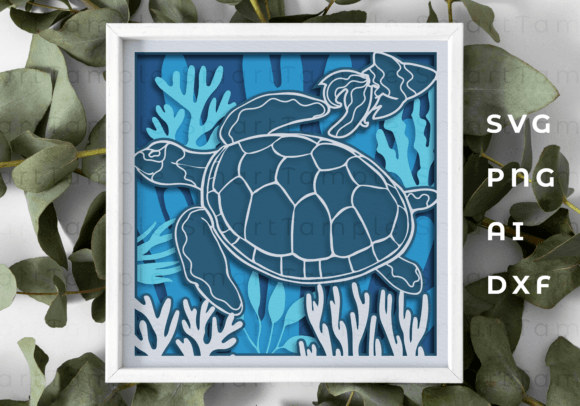
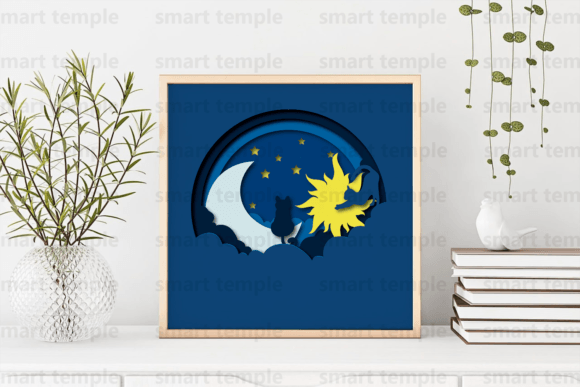
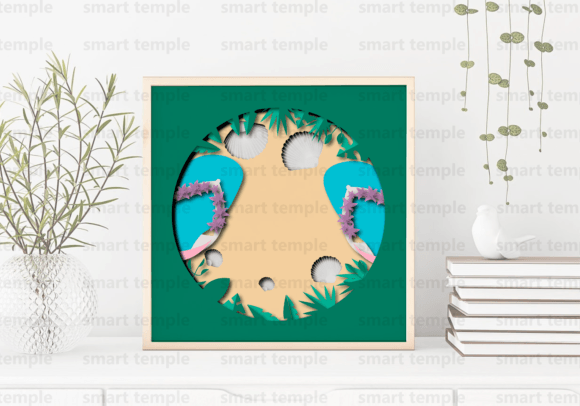
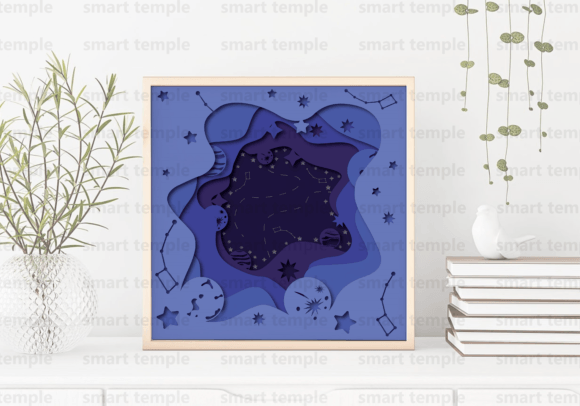
As a designer who spends half my life staring at digitized files and the other half watching needles punch through fabric, I have learned to look past the glossy preview images. When I first opened the Space Shadow Box Svg, Laser Cut Files, my initial reaction was not about how it would look on a laser cutter, but how its geometric integrity would translate to thread. This is a vector model of the Shadow Box, featuring a layered design intended for paper cutting CNC, laser machines, Silhouette, Cricut, Cameo, and other cutting machines. The digital product includes SVG, AI, PNG, and DXF files. While these formats are native to cutting platforms, their clean lines offer a fascinating challenge for embroidery adaptation.
First Impressions: Geometry Meets Thread
The visual personality of this design is stark and modern. It relies heavily on distinct layers and sharp angles, which creates a sense of depth even in a two-dimensional space. For an embroidery designer, this is both a gift and a trap. The clarity of the shapes suggests a high-contrast aesthetic that works beautifully for contemporary home decor or modern apparel. However, the term "Shadow Box" implies dimensionality. In embroidery, we create dimension through stitch types and density, not physical layering. My immediate thought was how to interpret these vector layers using satin stitch borders and fill stitch interiors to mimic the shadow effect without creating a stiff, cardboard-like finish on the fabric.
Real-World Application: The Custom Sweatshirt Test
To evaluate the practical value of this asset, I imagined a specific client project: a custom embroidered sweatshirt for a boutique clothing brand. The client wanted a minimalist, celestial theme that appealed to young adults. Using the Space Shadow Box Svg, Laser Cut Files as a reference for the layout, I considered how the design would sit on a curved surface like a chest or back panel. The geometric nature of the design holds up well here. Unlike organic shapes that can distort easily, straight lines and defined corners maintain their structure during stitching.
If I were to digitize this for a sweatshirt embroidery project, I would likely use a combination of running stitch for fine internal details and satin stitch for the outer borders to define the "box" edges. The layered aspect of the original vector file suggests a color-blocked approach. In thread, this means selecting thread colors with sufficient contrast. A dark navy background with silver or light grey thread would make the geometry pop, enhancing the visual appeal and ensuring the design reads clearly from a distance. This kind of clarity builds customer trust, as the finished product looks intentional and professional rather than muddy or indistinct.
Navigating Fabric and Hoop Constraints
While the design is striking, it requires careful handling regarding fabric texture and hoop size. The sharp corners inherent in the Shadow Boxes style can be problematic on stretchy fabrics or thin materials. If you are planning to use this on a tote bag design made of canvas, the stability is excellent. However, applying it to a lightweight baby onesie or a silky pillow cover requires caution. The stitch density must be managed meticulously. Too much fill stitch in the larger geometric areas will cause puckering, especially on knit fabrics.
I always advise testing the design on scrap fabric first. This is non-negotiable. You need to see how the machine handles the transitions between the different "layers" of the shadow box concept. On a cap or hat, the curved surface adds another layer of complexity. The design might need to be simplified or scaled down to fit within a standard 4x4 inch hoop without losing its defining characteristics. Small details can get lost if the design is reduced too much, so checking the legibility at smaller sizes is crucial before committing to a production run.
Commercial Viability and Brand Consistency
For Etsy sellers and small shop owners, the versatility of this design is a major selling point. Because the source file is a vector model used for Laser Cutting, it is inherently scalable and clean. This makes it an excellent base for creating printable mockups or digital product previews. You can show customers how the design looks on various items—aprons, kitchen towels, or patches—without having to stitch every single prototype. This efficiency boosts your workflow and allows for faster listing creation.
However, commercial use requires due diligence. Since the product description specifies it is a digital product for cutting machines, you must confirm the licensing terms before selling finished embroidered items. Does the license cover commercial embroidery? Can you modify the vector into an embroidery file and sell the digitized version? These are critical questions. Assuming the license permits it, this design fits well into niches like nursery decor, holiday gifts, or modern wedding favors. Its neutral, geometric style ensures it does not date quickly, providing long-term value to your catalog.
Technical Notes for the Embroiderer
Before you load this into your machine, consider these practical steps:
- Stabilizer Selection: Use a cut-away stabilizer for garments that will be washed frequently, such as t-shirts and baby clothes. For stable fabrics like tote bags, a tear-away may suffice, but test first.
- Thread Contrast: The design relies on separation of elements. Ensure your thread colors have enough contrast against the fabric background. Dark fabric requires lighter threads, and vice versa.
- Density Check: If you are digitizing this yourself from the SVG, avoid over-filling the large spaces. Use lighter fill patterns or leave negative space to keep the garment soft and wearable.
- Detail Inspection: Zoom in on the vector file. Are there tiny anchor points or nodes that might cause needle breaks? Clean up the path before converting to stitches.
The Space Shadow Box Svg, Laser Cut Files is a robust starting point for creative entrepreneurs. It bridges the gap between digital precision and tactile craft. Whether you are creating a personalized gift, a boutique product, or a custom apparel line, the key lies in respecting the geometry while adapting it to the limitations of thread and fabric. By paying attention to stitch density, fabric choice, and licensing, you can transform a simple vector model into a high-value handmade product that resonates with buyers. The design’s strength is its simplicity, but its success depends on your execution.