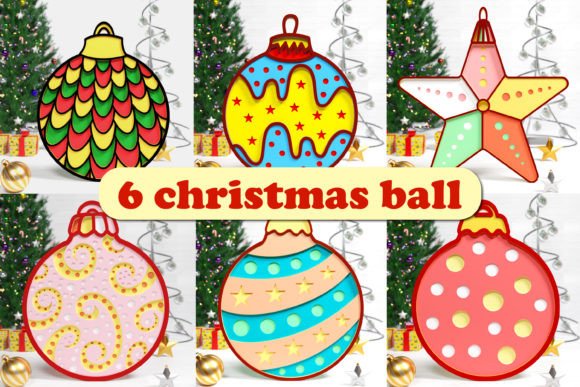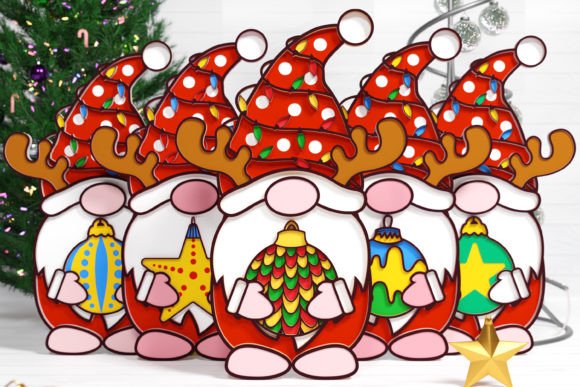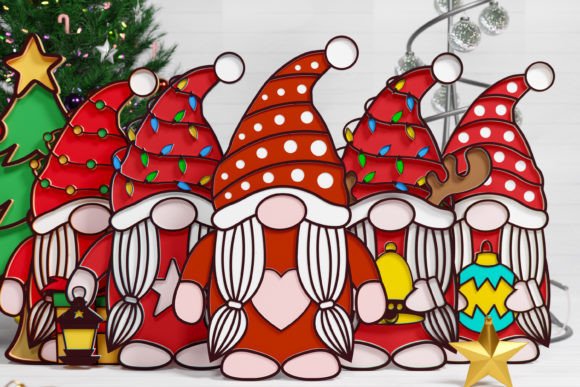
Reviewing the Christmas Ball Multilayered PaperCut Design
As a designer who spends half my life staring at digitized paths and the other half pulling thread through fabric, I approach every new machine embroidery design with a healthy dose of skepticism. We have all seen those overly complex digital files that look stunning on a screen but turn into a tangled mess of bird nests on the hoop. So, when I pulled up the Christmas Ball Multilayered PaperCut file, my first instinct was not to stitch it immediately, but to analyze its structural integrity for real-world application.
This is not just another holiday motif. The concept borrows from the intricate world of papercraft, translating layered depth into stitch work. For us in the Crafts and Graphics space, this presents a unique challenge: how do we maintain that crisp, layered aesthetic without compromising the durability of the finished product? Here is my practical breakdown of how this design performs when it leaves the computer and hits the fabric.
First Impressions and Visual Mood
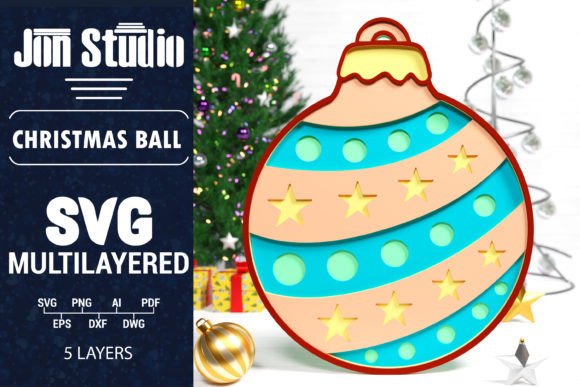
The immediate visual impact of the Christmas Ball Multilayered PaperCut is one of sophisticated nostalgia. It does not scream "holiday" with cartoonish cheer; rather, it whispers it with geometric precision. The layout suggests depth, mimicking the shadow boxes often seen in high-end holiday decor. For an Etsy seller or boutique owner, this mood is crucial. It fits seamlessly into a brand identity that values modern minimalism mixed with traditional warmth.
The shape is balanced, avoiding the common pitfall of top-heavy ornaments that look awkward on curved surfaces. The detail level is high, but upon closer inspection, the lines are clean. This is vital for maintaining stitching clarity. If you are creating design assets for a premium client, this visual personality signals quality before the customer even touches the item.
Real-World Application Scenarios
I tested this concept mentally against several common projects I handle for clients. The versatility here is surprising. For a custom apparel project, imagine this stitched on the left chest of a high-quality heather grey sweatshirt. The multilayered effect would pop against the soft texture, creating a subtle yet festive sweatshirt embroidery piece that adults would actually want to wear to a holiday party.
However, where this design truly shines is in home goods. Picture a linen tote bag design or a heavy cotton apron. The rigid geometry of the paper-cut style contrasts beautifully with the organic drape of natural fabrics. It also works exceptionally well for personalized gift items, such as a monogrammed pillow cover. By placing the ornament above a name stitched in a complementary script, you elevate a simple item into a heirloom-quality keepsake.
For those running a craft business, consider the embroidered patch market. This design’s self-contained shape makes it ideal for iron-on or sew-on patches. It allows customers to add a touch of holiday flair to jackets or bags without committing to permanent embroidery on the garment itself.
Navigating Technical Challenges
While the aesthetic is strong, we must address the technical realities. The term "multilayered" in the title implies density. In embroidery, density is a double-edged sword. Too much stitch density can cause fabric puckering, especially on lighter materials. If you are working with thin fabric or stretchy knits, this design requires careful handling.
I would advise against using this on very small hoop size constraints unless you are scaling it down significantly, which might lose the intricate "paper cut" details. Tiny corners and sharp angles in the design need sufficient stitch coverage to prevent fraying or gaps. If you are stitching on dark fabric, ensure your thread colors have enough contrast. A low-contrast palette might muddy the layered effect, making the design look flat rather than dimensional.
Curved surfaces like caps present another hurdle. The flat, geometric nature of the design might distort if not properly stabilized on a curved brim. Always use a sturdy stabilizer—I recommend a cut-away for garments that will be washed frequently, to maintain the shape of the dense stitch areas over time.
Commercial Viability and Brand Trust
From a business perspective, the Christmas Ball Multilayered PaperCut adds perceived value. Customers associate intricate designs with higher effort and skill. When they see this level of detail in a handmade product, it builds trust in your craftsmanship. It moves the item from a "cute craft" to a "professional commodity."
For commercial embroidery projects, consistency is key. This design’s clear lines make it easier to replicate across multiple units, ensuring that every small shop product looks identical. This reliability is what keeps buyers coming back. Furthermore, it photographs well for printable mockup previews and social media content, helping to drive engagement before the item is even sold.
Practical Designer Notes
Before you commit to a full production run, follow these steps to ensure success:
- Test on scrap fabric first: Never skip this step. Check how the fabric reacts to the stitch density.
- Check thread color contrast: Use a color wheel to ensure your layers are distinct. Test in black and white mockups to verify value separation.
- Review stitch density: If your machine allows, adjust the density settings if the design feels too stiff after stitching.
- Confirm hoop size: Ensure the design fits comfortably within your hoop with adequate margin for framing.
- Inspect small details: Zoom in on the digital file. Are there any tiny isolated stitches that might pull out?
- Use proper stabilizer: Match the stabilizer weight to the fabric texture. Heavy designs need strong support.
One critical note regarding the file itself: The product description mentions that Christmas Ball Digital multilayer layout files are specially prepared for laser cut, CNC router machines, and other cutting machines. It states you will receive specific file formats and graph sizes. However, it does not explicitly list standard embroidery file extensions like PES, DST, or JEF. As a professional, I must advise you to check these details before purchase. Ensure the provider offers the specific digital embroidery file formats compatible with your machine. If the file is primarily vector-based for cutting, you may need to digitize it yourself or confirm that an embroidered version is included.
Additionally, always confirm licensing terms. If you plan to sell holiday embroidery items commercially, ensure the license covers finished goods sales. Some design assets are for personal use only, while others allow for small business commercialization.
Final Verdict
The Christmas Ball Multilayered PaperCut is a compelling addition to any seasonal library. It bridges the gap between digital precision and tactile warmth. While it demands respect for technical setup—particularly regarding stabilization and thread choice—it rewards the effort with a polished, high-end look. For the serious maker or apparel decorator, it is a tool that can elevate your holiday collection from ordinary to exceptional. Just remember to verify the file compatibility for your specific embroidery hardware, as the primary description leans heavily toward cutting machines. With the right preparation, this design will stitch out beautifully and delight your customers.