Lighthouse LightBox SVG: A Designer’s Practical Review
As a designer who has spent years digitizing files and testing them on everything from delicate silk to heavy denim, I approach every new machine embroidery design with a mix of curiosity and skepticism. We have all been there: you download a file that looks stunning in the preview, only to find it turns into a puckered mess or a thread-break nightmare once it hits the hoop. That is why I took a close, practical look at the Lighthouse LightBox SVG, Multilayer SVG. While this product is primarily marketed as a vector model for Shadow Boxes and paper cutting, its structural integrity and layered aesthetic offer fascinating possibilities for those of us working in textile arts.
First Impressions: Mood and Structural Clarity
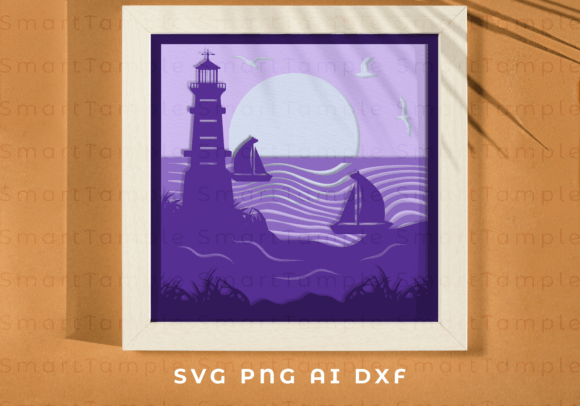
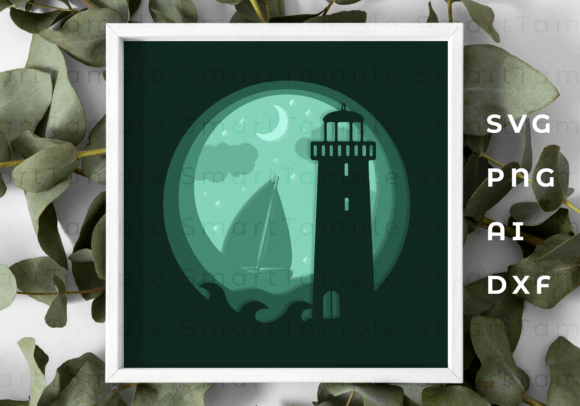
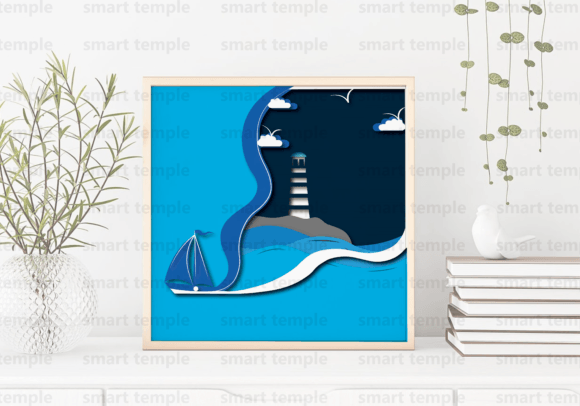
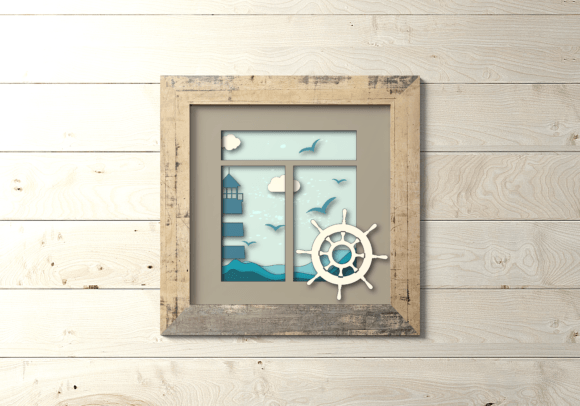
The first thing that strikes you about the Lighthouse LightBox SVG, Multilayer SVG is its clean, architectural personality. It does not rely on chaotic details or overly complex shading. Instead, it uses distinct layers to create depth, mimicking the way light filters through a physical shadow box. For an embroidery designer, this is a promising sign. Clean lines usually translate well to stitching, provided the scale is respected.
The theme evokes a sense of coastal calm and nostalgia. It feels right at home in projects aimed at relaxation, home decor, or sentimental gifting. The visual personality is sturdy yet elegant. When I visualize this as an embroidery project, I see it working best where structure is key. It is not a whimsical, floating design; it has weight and presence. This makes it an excellent candidate for items that need to hold their shape, such as tote bags, pillow covers, or structured aprons.
Real-World Application: From Digital Vector to Stitched Reality
Let us move beyond theory and imagine a real scenario. Suppose you are preparing a custom order for a client who wants a personalized gift for a friend who loves the ocean. You might consider using this design on a high-quality canvas tote bag design. The layered nature of the 3D SVG concept can be translated into embroidery by using varying thread colors to simulate depth. A dark navy for the base, a lighter blue for the mid-layer, and a bright white or gold for the highlight could create a stunning visual effect without needing actual 3D puff foam.
However, because this file originates from the world of Shadow Boxes and laser cutting, we must adapt our thinking. In paper crafting, layers are physical. In embroidery, layers are simulated through stitch types and color placement. If you are creating sweatshirt embroidery, the thick fabric provides a great foundation for the bold lines of the lighthouse. The design would stand out clearly against a heather grey or deep green fleece. For baby embroidery, such as on a onesie or blanket, you would need to simplify. The intricate layers might be too dense for sensitive skin or small hoops, so isolating the main silhouette could be a smarter move.
Navigating Technical Challenges and Fabric Choices
Here is where practical judgment comes in. The Lighthouse LightBox SVG, Multilayer SVG was built for CNC and laser machines, which means the lines are precise vectors. When converting this mindset to embroidery, you must watch out for stitch density. If you attempt to fill every tiny layer with a fill stitch, you risk creating a stiff, cardboard-like patch on your fabric. This is particularly problematic on stretchy fabric or thin materials like jersey knits.
I recommend using a combination of satin stitch for the borders and lighter fill patterns for the interior sections. This maintains the crisp look of the vector original while keeping the finished product soft and wearable. Be cautious with small hoop sizes. If you shrink this design too much to fit a 4x4 hoop, the detailed corners and layered edges may merge, losing the definition that makes the design special. Always test on scrap fabric first. Check how the stabilizer interacts with the stitch count. A cut-away stabilizer is likely necessary if you are using this on a garment that will be washed frequently, such as a custom apparel piece or a kitchen towel.
Dark fabrics present another challenge. If you are stitching on black denim for a jacket, ensure your thread contrast is high. A low-contrast thread choice will make the layered details disappear. Use a bright rayon or polyester thread to make the lighthouse pop. For embroidered patch creation, this design is ideal. The clear boundaries between layers make it easy to create a merrowed edge patch that looks professional and durable.
Enhancing Brand Value and Customer Trust
For Etsy sellers and craft business owners, the perceived value of a design is crucial. The Lighthouse LightBox SVG, Multilayer SVG offers a sophisticated look that elevates a simple item into a boutique product. When customers see a well-executed, multi-tonal design, they associate it with quality and care. This builds customer trust and encourages repeat business.
Using this design in your portfolio can help with brand consistency if your shop focuses on coastal, nautical, or serene themes. It works beautifully for holiday embroidery gifts, especially for Father’s Day or housewarming presents. The professional appearance of the layered lighthouse suggests a higher price point than a basic single-color motif. It also serves well in printable mockup presentations. Even before you stitch, you can use the vector files to create digital previews for your online store, helping buyers visualize the handmade product on different backgrounds.
Essential Designer Notes for Best Results
Before you commit to a large production run or a high-stakes client project, keep these practical tips in mind:
- Verify File Compatibility: Since the product description mentions SVG, AI, PNG, and DXF formats for cutting machines, ensure you have the correct digital embroidery file format (such as PES, DST, or JEF) for your specific machine. Do not assume the vector SVG will import directly into your embroidery software without manual digitizing or conversion.
- Test Stitch Density: Run a test stitch on similar fabric to check for puckering. Adjust your tension and stabilizer accordingly.
- Check Licensing: Confirm whether the license allows for commercial use of the stitched items. As an Etsy seller or small shop product creator, you need to know if you can sell the finished goods legally.
- Color Planning: Plan your thread colors in advance. Use a color chart to ensure the layers distinguish themselves clearly on both light and dark fabrics.
- Hoop Selection: Choose a hoop size that allows the design to breathe. Crowding the edges can lead to distortion.
In conclusion, the Lighthouse LightBox SVG, Multilayer SVG is a versatile asset when approached with a designer’s eye. It bridges the gap between digital precision and tactile craft. Whether you are making a personalized gift for a loved one or expanding your commercial embroidery catalog, this design offers a solid foundation. Just remember to respect the material limits, adapt the layers for stitch logic, and always prioritize the quality of the final finish. With careful execution, it can become a standout piece in your collection of design assets.