Halloween Gnome 3D SVG Papercut: A Designer’s Review
As an embroidery designer who spends half my life digitizing and the other half stitching, I have learned to look past the glossy preview images. When I first encountered the Halloween Gnome 3D SVG Papercut, my initial reaction was cautious curiosity. The title suggests a paper-craft aesthetic, which is trendy in the Crafts and Graphics world, but my job is to determine if this visual style translates into a durable, high-quality machine embroidery design. I am not just looking for a cute image; I am evaluating whether this asset can hold up under the needle, survive a wash cycle, and ultimately help a small business owner or hobbyist create a product that sells.
First Impressions and Visual Personality
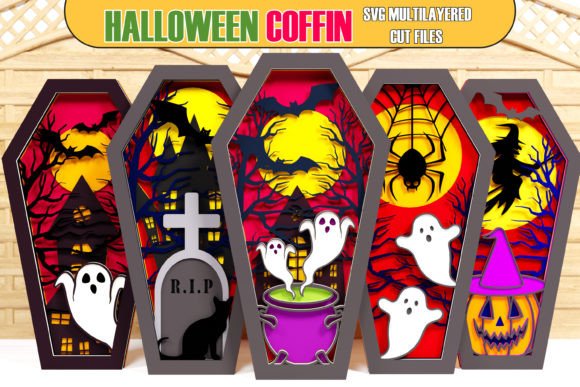
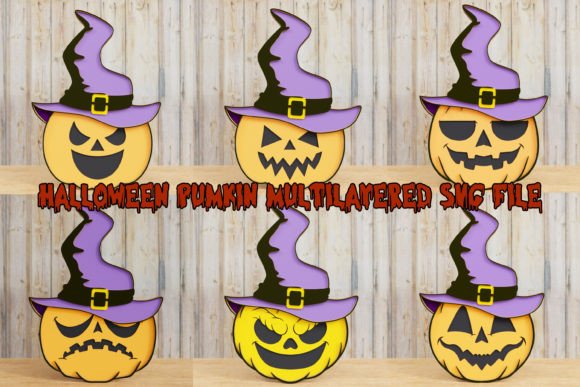
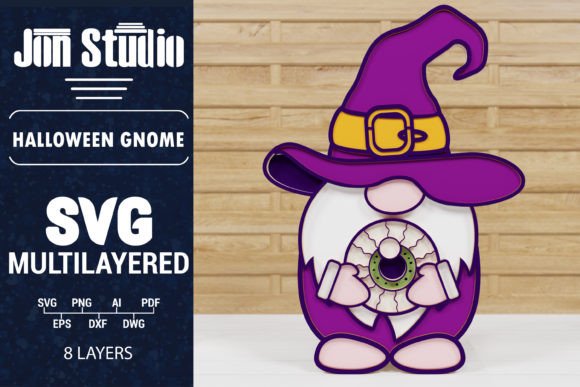
The immediate mood of this design is whimsical yet structured. The "papercut" style relies on layered silhouettes to create depth, which is a clever approach for digital assets. In the context of embroidery, this translates to distinct color blocks rather than complex shading. For an embroidery project, this is often a blessing. Complex gradients can look muddy when stitched out, but clear, defined layers maintain their integrity. The gnome character itself feels approachable, avoiding the overly scary tropes that limit marketability. It sits comfortably in that sweet spot of holiday decor that appeals to families, making it a strong candidate for personalized gift items.
However, a designer must look closer. The layering effect implies multiple color changes. In a real-world scenario, every color change adds time to the production process. If you are running a busy Etsy seller shop during the October rush, you need to know if the visual payoff is worth the extra minutes per hoop. From what I can see in the layout, the separation between layers is clean, which suggests the digitizer understood the mechanics of stitching. There are no ambiguous edges where thread might bunch up, a common pitfall in poorly converted graphic files.
Real-World Application: The Tote Bag Test
To truly evaluate the Halloween Gnome 3D SVG Papercut, I mentally placed it on a canvas tote bag. This is a staple item for any craft business. Canvas has a visible weave, so the stitch type matters immensely. A satin stitch border would provide a crisp edge against the textured fabric, while a fill stitch interior would ensure coverage without excessive bulk. The gnome’s hat and beard areas would likely require different densities. If the beard is too dense, it becomes stiff; if too light, the fabric shows through. Based on the visual weight of the design, it seems balanced for medium-weight fabrics like cotton twill or denim.
I also considered its use on a fleece sweatshirt embroidery project. Here, the challenge is pile. Detailed elements can get lost in fluffy fabric. The bold, layered shapes of this gnome design work in its favor here. Large, solid areas of color read better on textured surfaces than fine lines. This makes the design versatile for both smooth apparel and cozy home goods like pillow covers or aprons. It is not just a digital pretty picture; it has the structural simplicity needed for varied textiles.
Technical Considerations and Stitching Clarity
When reviewing any digital embroidery file, we must talk about density and stability. The papercut aesthetic often involves overlapping shapes. In embroidery, this can lead to raised areas if not managed correctly. A professional digitizer will use underlay stitches to anchor the design, but as the end-user, you must choose the right stabilizer. For this design, I would recommend a cut-away stabilizer for garments that will be washed frequently, ensuring the finished product retains its shape. For a decorative wall hanging, a tear-away might suffice, but for a custom apparel piece meant for daily wear, durability is key.
Another critical factor is the hoop size. While the exact dimensions are not specified in the brief description, the complexity of the layers suggests this is not a tiny 4x4 inch design. It likely requires a 5x7 or larger hoop to breathe. Attempting to shrink this design significantly could cause the smaller details, such as the gnome’s facial features or accessory elements, to merge into a blob of thread. Always check the recommended minimum size before scaling down. If you are creating an embroidered patch, ensure your machine can handle the density at that reduced scale.
Commercial Viability and Brand Consistency
For commercial embroidery professionals, consistency is currency. Customers return because they trust the quality. The Halloween Gnome 3D SVG Papercut offers a modern look that fits well with current trends in boutique branding. It does not look like a clip-art afterthought; it looks intentional. Using this design in a printable mockup for your online store would likely generate good engagement because the layered effect pops visually even in 2D previews. However, remember that a mockup is not reality. Always stitch a sample on the actual fabric you intend to sell.
Consider the thread colors you pair with this design. The papercut style relies on contrast. Using analogous colors (like dark orange and light orange) might blur the layers, defeating the purpose of the 3D effect. High-contrast combinations, such as deep purple against bright lime or black against white, will emphasize the dimensional aspect. This gives you creative control to match your brand palette or offer custom options to clients. It is a flexible design asset that allows for interpretation while maintaining its core identity.
Practical Notes for the Maker
Before you commit to a full production run, take these practical steps. First, verify the file formats provided. The description mentions it is prepared for laser cut and CNC machines, which is interesting, but as embroiderers, we need native embroidery files like PES, DST, or JEF. Ensure the package includes these specific embroidery file types. If it only contains SVGs, you will need to digitize it yourself or convert it, which requires skill and software. Do not assume compatibility.
- Test on scrap fabric: Never stitch directly on your final garment. Use a similar weight and texture to check for puckering.
- Check license terms: Confirm if the license allows for physical sales of finished items. Most designers allow this, but restrictions on digital resale are standard.
- Inspect small details: Zoom in on the digitized file. Look for jump stitches that are too long or areas where the needle might penetrate the same hole repeatedly, which can damage delicate fabrics.
- Contrast check: View the design in black and white. If the layers disappear, the contrast is insufficient for certain lighting conditions or fabric choices.
In conclusion, the Halloween Gnome 3D SVG Papercut presents a compelling option for those looking to add a touch of modern whimsy to their holiday lineup. It bridges the gap between graphic design trends and tactile craft, offering a design that is visually engaging and technically manageable. For the small shop product line, it offers versatility across apparel and home decor. Just remember to respect the technical requirements of embroidery—stabilize well, choose contrasting threads, and always test before you sell. With careful execution, this design can become a standout piece in your autumn collection, delighting customers who appreciate both creativity and craftsmanship.